
No products in the cart.

The History of Día de los Muertos: From Ancient Roots to Modern Celebrations
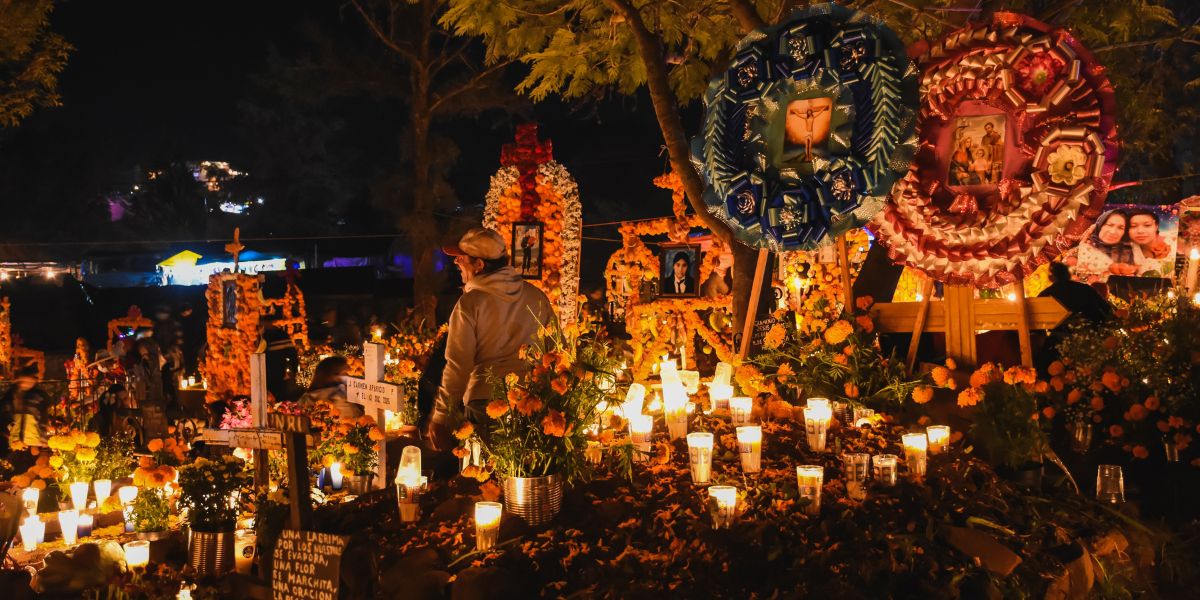
Día de los Muertos (Day of the Dead) is one of Mexico’s most vibrant and culturally rich celebrations, honoring loved ones who have passed away. This holiday, celebrated from October 31st to November 2nd, is an enchanting blend of ancient traditions and modern customs that has captured the hearts of people worldwide. But where did this tradition come from, and how did it evolve into the celebration we know today? Let’s dive into the fascinating history of Día de los Muertos, from its ancient roots to its modern-day significance in places like Puerto Vallarta. Ancient Roots: Honoring the Dead in Mesoamerican Cultures Long before the Spanish arrived in Mexico, Mesoamerican civilizations such as the Aztecs, Mayans, and Toltecs held deep-rooted beliefs about death and the afterlife. For these cultures, death was not an end but a continuation of life’s journey. They believed that the souls of the deceased lived on in the afterlife and could return to the living world during special times of the year. The Aztecs, in particular, celebrated a month-long festival dedicated to Mictecacihuatl, the goddess of death. This festival, held in the ninth month of the Aztec calendar, was a time to honor the dead with offerings of food, flowers, and personal items. It closely resembles the modern Día de los Muertos in both its symbolism and purpose. Unlike the European concept of death, which is often associated with mourning, Mesoamerican cultures viewed death as a natural part of life’s cycle. This view is at the heart of Día de los Muertos—a celebration of life, memory, and connection to those who have passed. The Influence of Spanish Conquest When the Spanish conquistadors arrived in the early 16th century, they brought with them Catholic traditions that would eventually blend with Indigenous beliefs. The Spanish introduced All Saints’ Day (November 1st) and All Souls’ Day (November 2nd), Christian holidays meant to honor the saints and pray for the souls of the dead. Over time, the Indigenous month-long celebration of the dead was condensed and fused with the Catholic holidays. This fusion of beliefs gave birth to the Día de los Muertos as we know it today, with its unique blend of Indigenous and Catholic traditions. Modern Día de los Muertos: A Celebration of Life In modern times, Día de los Muertos has evolved into a festive celebration that combines both the spiritual reverence of death and the joyous remembrance of life. Families create ofrendas (altars) in their homes, filled with photographs, flowers, candles, and offerings such as pan de muerto (a traditional sweet bread) and the favorite foods of the departed. The vibrant marigold flower, known as cempasúchil, is believed to guide the spirits back to the world of the living. Sugar skulls, decorated with intricate designs, have become one of the most recognizable symbols of the holiday. These skulls are not morbid; rather, they serve as a reminder that death is a part of life and should be embraced with joy and love. In places like Puerto Vallarta, the holiday is celebrated with elaborate processions, public altars, and street festivals that blend traditional customs with local culture. The city’s plazas are filled with music, dance, and community events, creating an atmosphere where locals and visitors alike can participate in this beautiful tradition. La Catrina: A Symbol of Día de los Muertos One of the most iconic figures of Día de los Muertos is La Catrina, a female skeleton dressed in elegant clothing. Created by Mexican artist José Guadalupe Posada in the early 1900s, La Catrina was originally a satirical figure meant to poke fun at the Mexican elite who sought to imitate European styles. Over the years, La Catrina has become a beloved symbol of the holiday, representing the blending of ancient traditions and modern Mexican identity. Her presence during Día de los Muertos festivities, often seen in parades and altars, reminds us that death is a universal experience, regardless of one’s social standing. Día de los Muertos in Puerto Vallarta: Keeping Tradition Alive Today, Puerto Vallarta is one of the best places to experience the magic of Día de los Muertos. The city’s streets come alive with elaborate altars, vibrant calaveras (skulls), and traditional music, offering visitors a chance to immerse themselves in this ancient celebration. Each year, the Malecón—Puerto Vallarta’s famous oceanfront boardwalk—is adorned with stunning altars and colorful processions that draw locals and tourists alike. The atmosphere is electric, with a blend of solemn reverence and festive joy as the community comes together to celebrate life and remember those who have passed. For those visiting during this time, it’s the perfect opportunity to explore the local culture and even join in a local tour that explains the rich history behind Día de los Muertos. Many tours include stops at important altars, and some even offer a local experience in crafting traditional offerings or learning about the symbols and meanings behind the holiday. Preserving Tradition in Modern Times While Día de los Muertos continues to evolve, the core of the celebration remains unchanged: honoring the dead, celebrating life, and remembering the connections that transcend death. In cities like Puerto Vallarta, this holiday serves as both a cultural touchstone and a reflection of Mexico’s deep spiritual heritage. The beauty of Día de los Muertos lies in its ability to adapt and thrive in modern times, while still maintaining the ancient roots that make it so special. Whether you’re a local or a visitor, experiencing Día de los Muertos in Puerto Vallarta is an unforgettable journey into the heart of Mexican culture.
