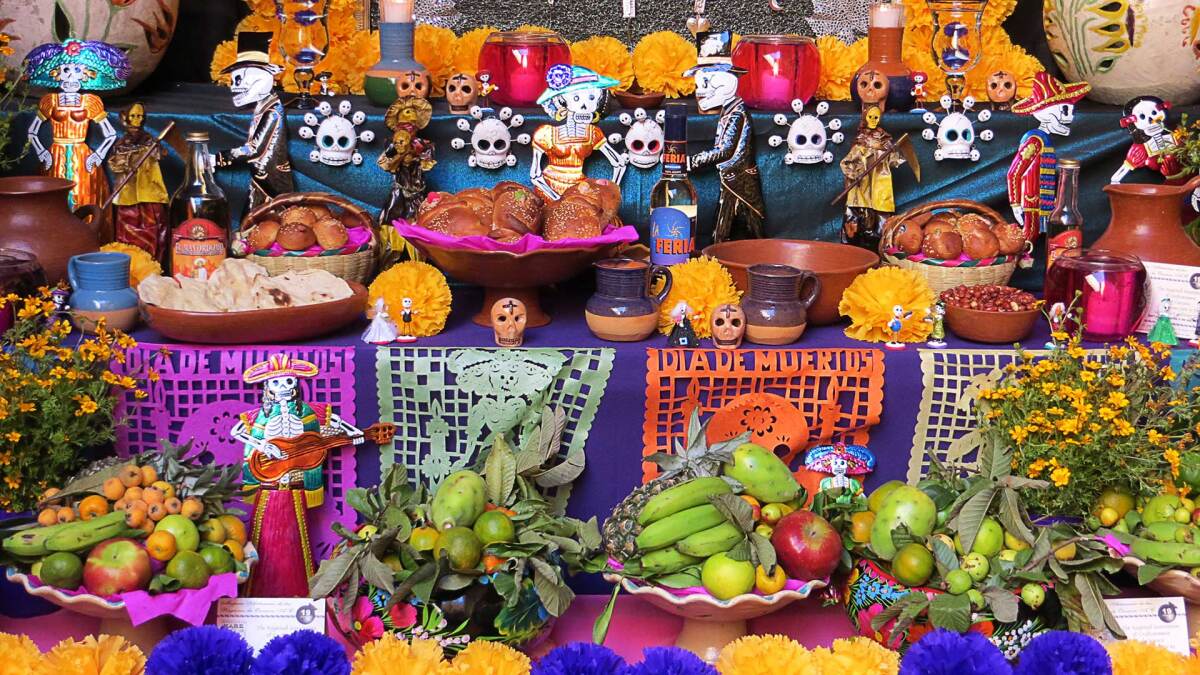
Creating a Día de los Muertos altar, or ofrenda, is one of the most beautiful and meaningful ways to honor loved ones who have passed away. These altars are at the heart of the Día de los Muertos celebration, offering a space where families can welcome the spirits of the departed back to the living world. The ofrenda is not just a decoration; it’s a deeply personal tribute filled with symbolism, memories, and love. If you’re in Puerto Vallarta during this time or want to bring this cherished tradition into your own home, here’s a guide on how to build a traditional Día de los Muertos altar. Step 1: Choosing the Right Space The first step in building an ofrenda is finding the right place in your home. Traditionally, altars are built in a central, clean space such as a living room or near a family shrine. The spot should be a place of respect, where you can display photos and mementos of your deceased loved ones. In Puerto Vallarta, you’ll find altars everywhere—from public squares like Parque Hidalgo to intimate spaces within homes and businesses. The key is to create a peaceful and welcoming environment for the spirits. Step 2: Adding Levels to the Altar A traditional Día de los Muertos altar typically has three levels, each representing a different stage of existence: While these three levels are traditional, you can adapt the altar based on your personal space and style. In many homes, you’ll see a more simplified version with one or two levels that still carry the same deep meaning. Step 3: Key Elements of the Altar Every Día de los Muertos altar has a set of symbolic items that invite the spirits to return and provide them with comfort and guidance. Here’s what you’ll need to create a traditional altar: 1. Photographs of the Deceased At the center of the ofrenda are photos of the loved ones being honored. These pictures are placed on the top level, as they are meant to connect the living with those who have passed. 2. Marigold Flowers (Cempasúchil) Cempasúchil, or marigold flowers, are an essential part of the altar. Their bright orange and yellow petals are believed to guide the spirits back with their vibrant colors and scent. In Puerto Vallarta, you’ll find these flowers sold in abundance at local markets during Día de los Muertos. 3. Pan de Muerto Pan de muerto is a special sweet bread baked for Día de los Muertos. It’s placed on the altar as an offering to nourish the spirits after their long journey from the afterlife. It’s also a delicious treat for family members during the celebration! 4. Candles Candles symbolize hope and light, guiding the spirits back to the world of the living. Many people place candles in the shape of a cross to represent the four cardinal directions, helping the souls find their way. Each candle on the altar can represent a specific loved one being remembered. 5. Water A glass of water is left on the altar to quench the thirst of the spirits after their long journey. It also represents the purity of the soul. 6. Incense (Copal) Copal incense is burned on the altar to purify the area and help guide the spirits back to their loved ones. The scent of the copal is said to attract the spirits to the altar. 7. Personal Items and Offerings Add items that were dear to your loved ones in life—perhaps a favorite book, a musical instrument, or an item of clothing. Alongside these personal belongings, many families include the deceased’s favorite foods and beverages, from traditional tamales to a shot of tequila. These offerings help make the spirits feel welcomed and appreciated. 8. Sugar Skulls Colorful sugar skulls are placed on the altar to symbolize the cycle of life and death. These intricately decorated skulls, or calaveras, remind us that death is not to be feared but embraced as a part of life’s natural rhythm. Step 4: Personalizing the Altar While traditional items are important, it’s equally essential to personalize the altar with items that reflect the spirit of the person being honored. This could be a memento from a shared trip, a favorite piece of art, or anything that carries special significance. If you’re in Puerto Vallarta during Día de los Muertos, exploring local altars will give you plenty of inspiration. You’ll see ofrendas honoring famous figures and everyday people, each crafted with unique touches that reflect the personality and memory of the deceased. Step 5: Inviting the Spirits and Celebrating Once the altar is complete, the belief is that the spirits will return to visit their families on Día de los Muertos. During this time, families gather around the ofrenda, sharing stories, eating, and celebrating the lives of those who have passed. In Puerto Vallarta, the celebration often includes public events, processions, and lively festivals. Whether you’re participating in a local tour or building your own ofrenda at home, you’ll find that Día de los Muertos is as much about celebrating life as it is about remembering the dead. Bringing Tradition to Life Building a Día de los Muertos altar is a beautiful way to connect with Mexican culture and honor your ancestors. Whether you’re in Puerto Vallarta or creating an altar in your own home, the care and thought you put into the ofrenda will bring the tradition to life in a meaningful and personal way. Remember, the ofrenda is a celebration of love, life, and memory—a way to bring the past and present together in harmony.
The History of Día de los Muertos: From Ancient Roots to Modern Celebrations
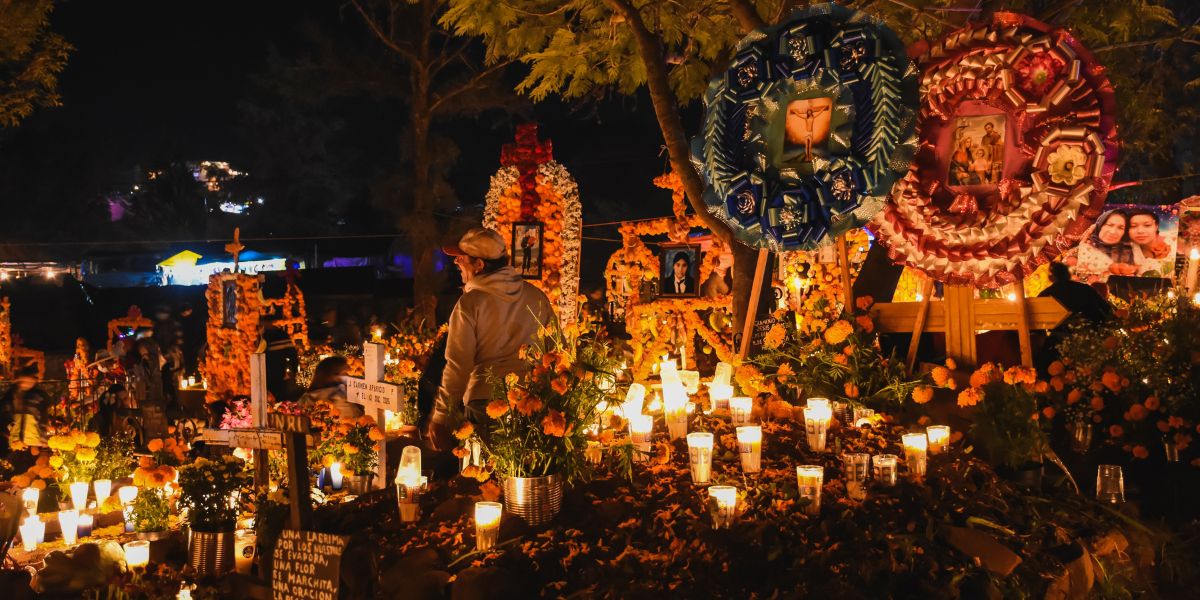
Día de los Muertos (Day of the Dead) is one of Mexico’s most vibrant and culturally rich celebrations, honoring loved ones who have passed away. This holiday, celebrated from October 31st to November 2nd, is an enchanting blend of ancient traditions and modern customs that has captured the hearts of people worldwide. But where did this tradition come from, and how did it evolve into the celebration we know today? Let’s dive into the fascinating history of Día de los Muertos, from its ancient roots to its modern-day significance in places like Puerto Vallarta. Ancient Roots: Honoring the Dead in Mesoamerican Cultures Long before the Spanish arrived in Mexico, Mesoamerican civilizations such as the Aztecs, Mayans, and Toltecs held deep-rooted beliefs about death and the afterlife. For these cultures, death was not an end but a continuation of life’s journey. They believed that the souls of the deceased lived on in the afterlife and could return to the living world during special times of the year. The Aztecs, in particular, celebrated a month-long festival dedicated to Mictecacihuatl, the goddess of death. This festival, held in the ninth month of the Aztec calendar, was a time to honor the dead with offerings of food, flowers, and personal items. It closely resembles the modern Día de los Muertos in both its symbolism and purpose. Unlike the European concept of death, which is often associated with mourning, Mesoamerican cultures viewed death as a natural part of life’s cycle. This view is at the heart of Día de los Muertos—a celebration of life, memory, and connection to those who have passed. The Influence of Spanish Conquest When the Spanish conquistadors arrived in the early 16th century, they brought with them Catholic traditions that would eventually blend with Indigenous beliefs. The Spanish introduced All Saints’ Day (November 1st) and All Souls’ Day (November 2nd), Christian holidays meant to honor the saints and pray for the souls of the dead. Over time, the Indigenous month-long celebration of the dead was condensed and fused with the Catholic holidays. This fusion of beliefs gave birth to the Día de los Muertos as we know it today, with its unique blend of Indigenous and Catholic traditions. Modern Día de los Muertos: A Celebration of Life In modern times, Día de los Muertos has evolved into a festive celebration that combines both the spiritual reverence of death and the joyous remembrance of life. Families create ofrendas (altars) in their homes, filled with photographs, flowers, candles, and offerings such as pan de muerto (a traditional sweet bread) and the favorite foods of the departed. The vibrant marigold flower, known as cempasúchil, is believed to guide the spirits back to the world of the living. Sugar skulls, decorated with intricate designs, have become one of the most recognizable symbols of the holiday. These skulls are not morbid; rather, they serve as a reminder that death is a part of life and should be embraced with joy and love. In places like Puerto Vallarta, the holiday is celebrated with elaborate processions, public altars, and street festivals that blend traditional customs with local culture. The city’s plazas are filled with music, dance, and community events, creating an atmosphere where locals and visitors alike can participate in this beautiful tradition. La Catrina: A Symbol of Día de los Muertos One of the most iconic figures of Día de los Muertos is La Catrina, a female skeleton dressed in elegant clothing. Created by Mexican artist José Guadalupe Posada in the early 1900s, La Catrina was originally a satirical figure meant to poke fun at the Mexican elite who sought to imitate European styles. Over the years, La Catrina has become a beloved symbol of the holiday, representing the blending of ancient traditions and modern Mexican identity. Her presence during Día de los Muertos festivities, often seen in parades and altars, reminds us that death is a universal experience, regardless of one’s social standing. Día de los Muertos in Puerto Vallarta: Keeping Tradition Alive Today, Puerto Vallarta is one of the best places to experience the magic of Día de los Muertos. The city’s streets come alive with elaborate altars, vibrant calaveras (skulls), and traditional music, offering visitors a chance to immerse themselves in this ancient celebration. Each year, the Malecón—Puerto Vallarta’s famous oceanfront boardwalk—is adorned with stunning altars and colorful processions that draw locals and tourists alike. The atmosphere is electric, with a blend of solemn reverence and festive joy as the community comes together to celebrate life and remember those who have passed. For those visiting during this time, it’s the perfect opportunity to explore the local culture and even join in a local tour that explains the rich history behind Día de los Muertos. Many tours include stops at important altars, and some even offer a local experience in crafting traditional offerings or learning about the symbols and meanings behind the holiday. Preserving Tradition in Modern Times While Día de los Muertos continues to evolve, the core of the celebration remains unchanged: honoring the dead, celebrating life, and remembering the connections that transcend death. In cities like Puerto Vallarta, this holiday serves as both a cultural touchstone and a reflection of Mexico’s deep spiritual heritage. The beauty of Día de los Muertos lies in its ability to adapt and thrive in modern times, while still maintaining the ancient roots that make it so special. Whether you’re a local or a visitor, experiencing Día de los Muertos in Puerto Vallarta is an unforgettable journey into the heart of Mexican culture.
Celebrating Día de los Muertos in Puerto Vallarta: A Guide to Local Traditions
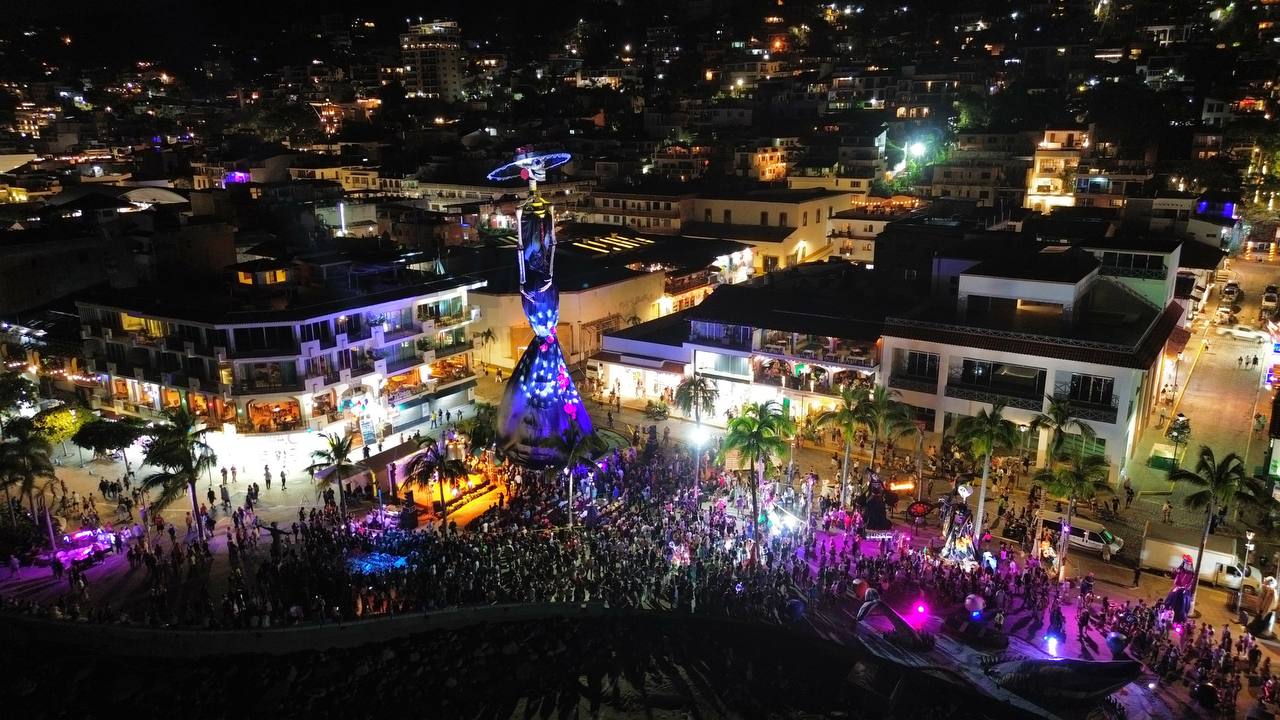
Every year, from October 31st to November 2nd, Puerto Vallarta bursts into a riot of color, music, and cultural celebration as the city embraces Día de los Muertos (Day of the Dead). Far from being a somber affair, this Mexican holiday is a joyful celebration of life, death, and the enduring bonds between the living and the departed. If you’re visiting Puerto Vallarta during this magical time, you’re in for an unforgettable experience. Here’s a guide to the local traditions, vibrant events, and heartwarming customs that make Día de los Muertos such a special celebration in this beautiful city. What is Día de los Muertos? At its heart, Día de los Muertos is about honoring loved ones who have passed. Families create ofrendas (altars) in their homes or public spaces, lovingly adorned with flowers, candles, photographs, and the favorite foods of their ancestors. The belief is that during these days, the spirits of the deceased return to visit their families. In Puerto Vallarta, the streets come alive with elaborate ofrendas, processions, and art installations, all designed to honor the dead while celebrating life. It’s an incredibly moving experience, as it combines cultural tradition with vibrant creativity. And as a visitor, you’ll find that locals are more than happy to share these traditions with you. The Magic of the Ofrendas As you explore Puerto Vallarta during Día de los Muertos, you’ll notice the stunning altars scattered throughout the city. From local homes to public squares, these altars are decorated with cempasúchil (marigold flowers), candles, sugar skulls, and the personal mementos of the departed. One of the best places to see these altars is Parque Hidalgo, where the community gathers to create large ofrendas. These displays are not just visually stunning—they’re filled with deep meaning and personal stories that will give you a richer understanding of this cultural celebration. Lively Processions: A City Alive with Spirit One of the most exciting parts of Día de los Muertos in Puerto Vallarta is the colorful processions. Dressed as calaveras (skeletons), locals and visitors walk the streets, their faces painted with intricate designs that symbolize the calavera Catrina—the elegant lady skeleton who has become a symbol of the holiday. The largest procession takes place along the Malecón, Puerto Vallarta’s iconic boardwalk. As dusk falls, the streets fill with music, dance, and vibrant costumes. Watching the sunset over the ocean as the procession winds its way through the city is an unforgettable experience that blends the festive with the spiritual. Must-See Events and Local Experiences Puerto Vallarta comes alive during Día de los Muertos, offering visitors a wide range of events and experiences. Here are some of the highlights: 1. Artistic Altars and Displays The city’s creativity shines during this time, with art installations and altars found throughout Isla Cuale and Plaza de Armas. These installations tell the stories of both famous figures and local ancestors, offering a beautiful blend of tradition and artistry. 2. La Catrina Contest The La Catrina Contest is a highlight for locals and visitors alike. Participants dress in elaborate Catrina costumes, complete with stunning makeup and outfits that reflect both the elegance and the macabre spirit of the holiday. The contest draws large crowds and is a feast for the eyes, showcasing the rich cultural creativity of Puerto Vallarta. 3. Traditional Music and Dance Music and dance play a central role in Día de los Muertos celebrations. In the Plaza de Armas, local performers and mariachi bands bring the square to life with traditional Mexican songs, while folkloric dancers showcase the vibrant rhythms of the region. Be sure to take in a performance for a true taste of local culture. 4. Food, Markets, and Artisan Goods No visit to Puerto Vallarta during Día de los Muertos would be complete without exploring the local markets. Pan de muerto (a sweet bread) and tamales are traditional offerings you’ll find in abundance during the holiday. Wander through Mercado Municipal Rio Cuale to discover handcrafted sugar skulls, skeleton figurines, and one-of-a-kind souvenirs that reflect the spirit of the season. Where Tradition Meets Celebration What makes Día de los Muertos in Puerto Vallarta so special is the blend of reflection and celebration. Locals honor their loved ones by creating spaces filled with love, joy, and memories, while also embracing life through music, art, and community. As a visitor, you’ll be welcomed into this celebration, whether you’re participating in a procession or admiring the beauty of the altars. Plan Your Visit To make the most of your Día de los Muertos experience in Puerto Vallarta, consider booking a local tour to guide you through the festivities. Many tours include airport pickups and take you to the heart of the city’s most important cultural sites. These experiences offer deeper insights into the traditions and customs that make this time of year so special. BOOK YOUR TRIP TODAY!