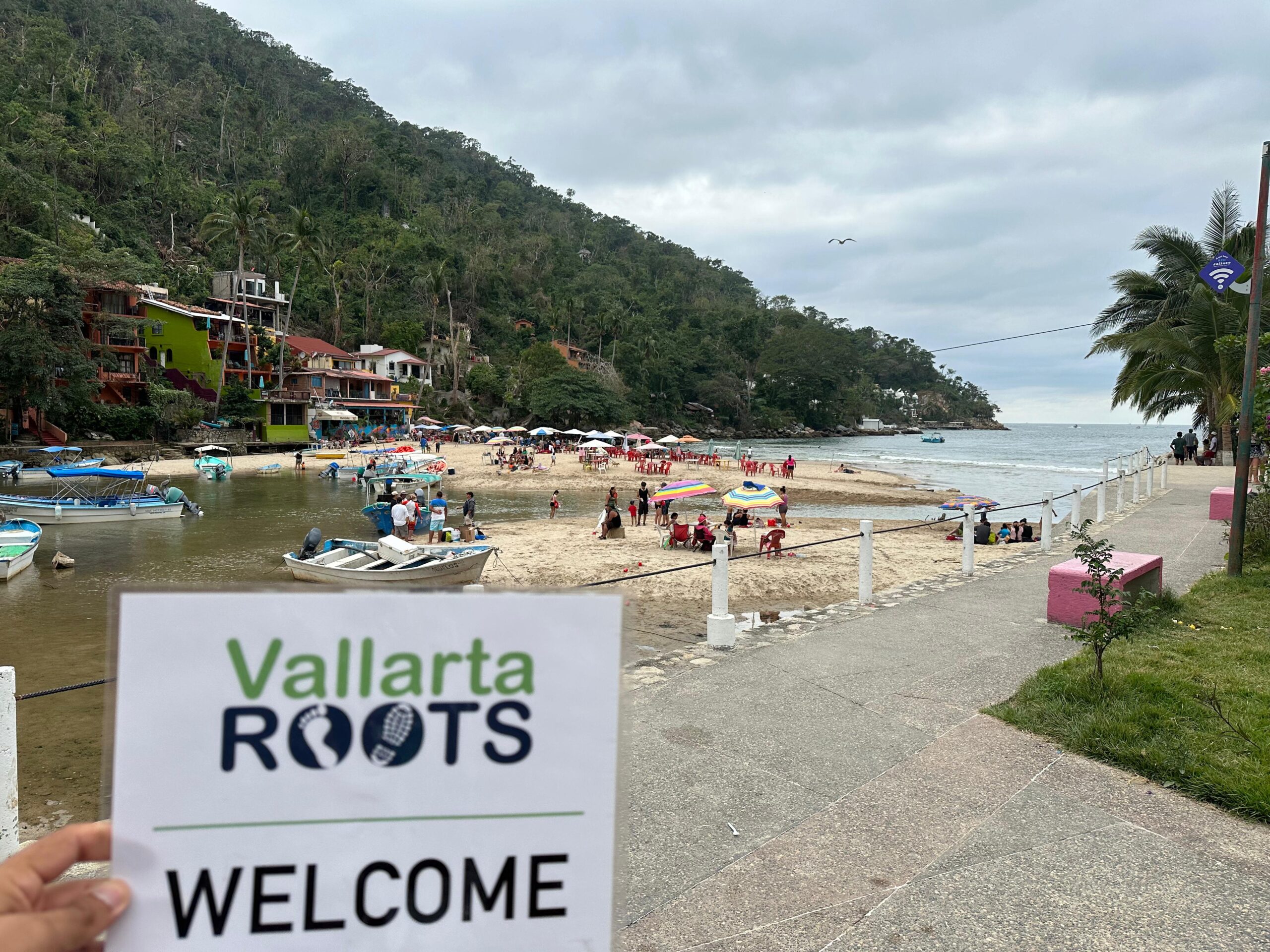
Welcome to Paradise If you’ve been dreaming of golden beaches, palm-lined streets, and sunsets that melt into the ocean, you’re in the right place.Puerto Vallarta isn’t just another beach destination — it’s a living, breathing mix of Mexican culture, natural beauty, and genuine warmth that makes everyone feel at home. Hi, I’m Pepe — born and raised right here in Vallarta. Over the years, I’ve seen thousands of travelers fall in love with this city. Whether you’re visiting for the first time or returning for more, this updated 2025 guide will help you plan your perfect trip and experience Puerto Vallarta like a true local. 📍 Where Is Puerto Vallarta Exactly? Puerto Vallarta sits on the Pacific coast of Mexico, in the state of Jalisco.It’s part of the stunning Bahía de Banderas, one of the largest and most beautiful bays in the world. To the west, you’ll find the ocean; to the east, the lush Sierra Madre Mountains — giving Vallarta that magical balance between jungle and sea. You can sip a margarita on the beach one moment, and 30 minutes later, be hiking through waterfalls and mountain villages. 🏝️ Getting Here Made Easy Most travelers arrive through Licenciado Gustavo Díaz Ordaz International Airport (PVR) — conveniently located just 15 minutes from downtown.There are direct flights from most major U.S. and Canadian cities year-round. Once you land, you have a few options: If you prefer stress-free travel, Vallarta Roots can arrange your airport transfer so you can start your adventure the moment you arrive. 🏨 Where to Stay in Puerto Vallarta One of the best things about Vallarta is that every neighborhood has its own personality.Here are a few to consider: Zona Romántica (Old Town) Colorful streets, authentic restaurants, and a lively beach scene. Perfect for travelers who want to be close to everything. Marina Vallarta Upscale, quiet, and ideal for families or couples looking for comfort and beautiful views. Nuevo Vallarta Technically in Nayarit (just across the river), but only 25 minutes away. Great resorts, long beaches, and modern infrastructure. Conchas Chinas A bit more exclusive — hillside villas, boutique hotels, and some of the most stunning ocean views. No matter where you stay, you’ll find Vallarta’s famous hospitality everywhere you go. 🍽️ What to Eat (and Where to Find It) Food in Puerto Vallarta is a celebration of flavor.From street tacos to fine dining, the options are endless. Here are some local must-tries: You’ll find great local eats in Old Town, the Marina, or even roadside stands — and the friendlier they are, the better the food usually is. ☀️ Things to Do in Puerto Vallarta Vallarta is all about connection — with nature, with culture, and with the people. 1. Stroll Along the Malecón The Malecón is Vallarta’s iconic oceanfront boardwalk filled with art, performers, and stunning sunset views.Don’t miss the nightly street shows! 2. Explore Old Town (Zona Romántica) Narrow cobblestone streets, colorful buildings, and the famous Church of Our Lady of Guadalupe.Every corner has a story. 3. Take a Boat to Los Arcos These rock formations rising from the ocean are perfect for snorkeling or kayaking.The water is crystal clear, and the marine life is incredible. 4. Visit the Botanical Gardens A short drive from town, you’ll find lush trails, hummingbirds, and orchids — a peaceful escape into nature. 5. Day Trips into the Mountains Explore traditional villages like San Sebastián del Oeste or El Tuito, where time seems to stand still.These places reveal the soul of Jalisco. (And yes, Vallarta Roots offers custom trips that take you there, guided by locals who know the real stories behind every place.) 🕶️ Safety & Local Tips Puerto Vallarta is known as one of the safest destinations in Mexico.Still, a few local tips can make your experience even better: 💰 Money & Connectivity Most hotels, restaurants, and tour companies accept credit cards, but smaller shops and markets prefer cash (pesos).You can easily withdraw money from ATMs at banks or supermarkets. Wi-Fi is widely available, and mobile coverage is good across most of the city and main roads.
The History of Día de los Muertos: From Ancient Roots to Modern Celebrations
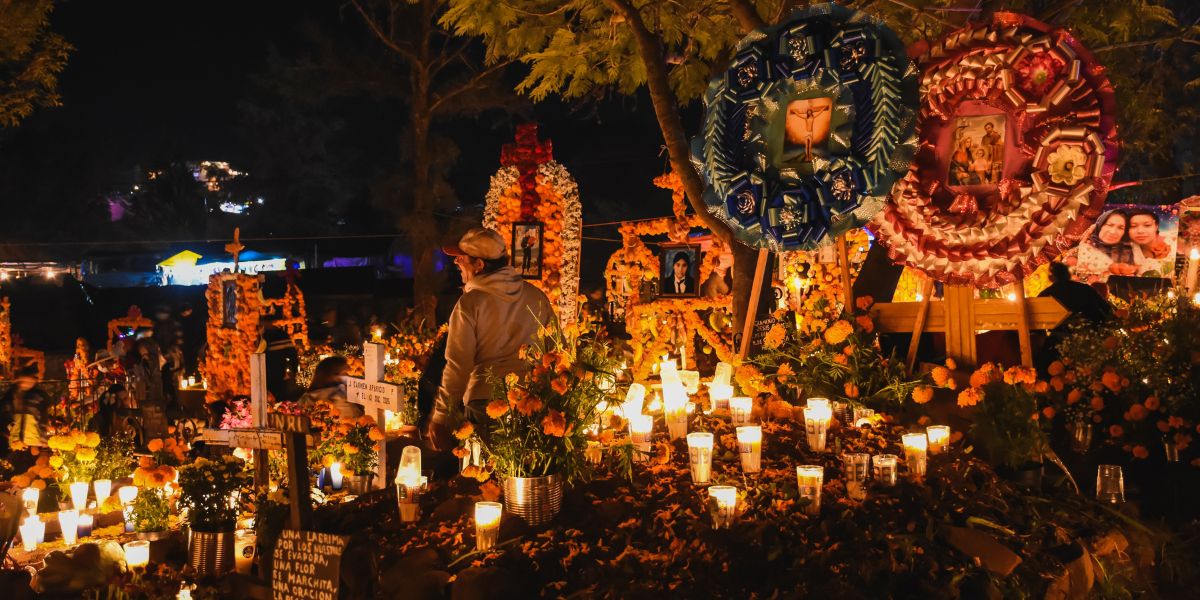
Día de los Muertos (Day of the Dead) is one of Mexico’s most vibrant and culturally rich celebrations, honoring loved ones who have passed away. This holiday, celebrated from October 31st to November 2nd, is an enchanting blend of ancient traditions and modern customs that has captured the hearts of people worldwide. But where did this tradition come from, and how did it evolve into the celebration we know today? Let’s dive into the fascinating history of Día de los Muertos, from its ancient roots to its modern-day significance in places like Puerto Vallarta. Ancient Roots: Honoring the Dead in Mesoamerican Cultures Long before the Spanish arrived in Mexico, Mesoamerican civilizations such as the Aztecs, Mayans, and Toltecs held deep-rooted beliefs about death and the afterlife. For these cultures, death was not an end but a continuation of life’s journey. They believed that the souls of the deceased lived on in the afterlife and could return to the living world during special times of the year. The Aztecs, in particular, celebrated a month-long festival dedicated to Mictecacihuatl, the goddess of death. This festival, held in the ninth month of the Aztec calendar, was a time to honor the dead with offerings of food, flowers, and personal items. It closely resembles the modern Día de los Muertos in both its symbolism and purpose. Unlike the European concept of death, which is often associated with mourning, Mesoamerican cultures viewed death as a natural part of life’s cycle. This view is at the heart of Día de los Muertos—a celebration of life, memory, and connection to those who have passed. The Influence of Spanish Conquest When the Spanish conquistadors arrived in the early 16th century, they brought with them Catholic traditions that would eventually blend with Indigenous beliefs. The Spanish introduced All Saints’ Day (November 1st) and All Souls’ Day (November 2nd), Christian holidays meant to honor the saints and pray for the souls of the dead. Over time, the Indigenous month-long celebration of the dead was condensed and fused with the Catholic holidays. This fusion of beliefs gave birth to the Día de los Muertos as we know it today, with its unique blend of Indigenous and Catholic traditions. Modern Día de los Muertos: A Celebration of Life In modern times, Día de los Muertos has evolved into a festive celebration that combines both the spiritual reverence of death and the joyous remembrance of life. Families create ofrendas (altars) in their homes, filled with photographs, flowers, candles, and offerings such as pan de muerto (a traditional sweet bread) and the favorite foods of the departed. The vibrant marigold flower, known as cempasúchil, is believed to guide the spirits back to the world of the living. Sugar skulls, decorated with intricate designs, have become one of the most recognizable symbols of the holiday. These skulls are not morbid; rather, they serve as a reminder that death is a part of life and should be embraced with joy and love. In places like Puerto Vallarta, the holiday is celebrated with elaborate processions, public altars, and street festivals that blend traditional customs with local culture. The city’s plazas are filled with music, dance, and community events, creating an atmosphere where locals and visitors alike can participate in this beautiful tradition. La Catrina: A Symbol of Día de los Muertos One of the most iconic figures of Día de los Muertos is La Catrina, a female skeleton dressed in elegant clothing. Created by Mexican artist José Guadalupe Posada in the early 1900s, La Catrina was originally a satirical figure meant to poke fun at the Mexican elite who sought to imitate European styles. Over the years, La Catrina has become a beloved symbol of the holiday, representing the blending of ancient traditions and modern Mexican identity. Her presence during Día de los Muertos festivities, often seen in parades and altars, reminds us that death is a universal experience, regardless of one’s social standing. Día de los Muertos in Puerto Vallarta: Keeping Tradition Alive Today, Puerto Vallarta is one of the best places to experience the magic of Día de los Muertos. The city’s streets come alive with elaborate altars, vibrant calaveras (skulls), and traditional music, offering visitors a chance to immerse themselves in this ancient celebration. Each year, the Malecón—Puerto Vallarta’s famous oceanfront boardwalk—is adorned with stunning altars and colorful processions that draw locals and tourists alike. The atmosphere is electric, with a blend of solemn reverence and festive joy as the community comes together to celebrate life and remember those who have passed. For those visiting during this time, it’s the perfect opportunity to explore the local culture and even join in a local tour that explains the rich history behind Día de los Muertos. Many tours include stops at important altars, and some even offer a local experience in crafting traditional offerings or learning about the symbols and meanings behind the holiday. Preserving Tradition in Modern Times While Día de los Muertos continues to evolve, the core of the celebration remains unchanged: honoring the dead, celebrating life, and remembering the connections that transcend death. In cities like Puerto Vallarta, this holiday serves as both a cultural touchstone and a reflection of Mexico’s deep spiritual heritage. The beauty of Día de los Muertos lies in its ability to adapt and thrive in modern times, while still maintaining the ancient roots that make it so special. Whether you’re a local or a visitor, experiencing Día de los Muertos in Puerto Vallarta is an unforgettable journey into the heart of Mexican culture.
Private vs Group Tours: Which Option is Best for You?
When planning your Puerto Vallarta adventure, one of the biggest decisions you’ll face is whether to choose a private tour or a group tour. Both options have their perks, but the right choice depends on your travel style, preferences, and the type of experience you’re looking for. The Story of Two Travelers: Anna and Michael Meet Anna and Michael. Both are visiting Puerto Vallarta for the first time, eager to explore the city’s vibrant culture, stunning beaches, and rich history. Anna loves meeting new people and enjoys the energy of group activities. Michael, on the other hand, prefers a more intimate and tailored experience, where he can fully immerse himself in the beauty of Puerto Vallarta at his own pace. Let’s explore which tour option works best for Anna and Michael, and see which one might be right for you. Group Tours: Perfect for Social Butterflies Anna chooses a group tour to meet fellow travelers and share the adventure. Group tours are ideal for those who: For Anna, joining a group tour gave her the chance to make new friends, hear different perspectives, and enjoy the camaraderie of fellow travelers. Private Tours: Tailored to Your Preferences Michael, on the other hand, opted for a private tour with Pepe Garcia from Vallarta Roots. Private tours are perfect for those who: For Michael, the private tour gave him the chance to discover hidden gems, ask as many questions as he wanted, and enjoy the beauty of Puerto Vallarta without the rush. Which is Right for You? When choosing between a group tour or a private tour, consider what type of experience will make your vacation special. Are you like Anna, who enjoys the social aspect of group travel? Or are you more like Michael, seeking a personalized and intimate exploration of Puerto Vallarta? Whatever your preference, Vallarta Roots offers both group and private tours to cater to every traveler. Whether you want to join others on an exciting adventure or create a unique experience just for you, we’ve got you covered! BOOK YOUR TOUR TODAY!